The body keeps the score
Physical
Movement, breath, sleep, food. Somatic practice reconnects clients to the body that addiction numbed and trauma fled.
Ancient wisdom · modern practice
Yoga, breathwork, sound, movement, sweat lodge, talking circle. Body-based and land-based practices held alongside our clinical program — because the nervous system heals in the places words cannot reach.
Seven Arrows Recovery is a Southwest residential drug and alcohol rehab that integrates outdoor, land-based therapy directly into the clinical program. On a private 160-acre ranch at the base of the Swisshelm Mountains in Cochise County, Arizona, clients spend time on desert trails, in equine-assisted sessions, and in land-based ceremony — held alongside somatic experiences, breathwork, and evidence-based individual and group therapy.
Why holistic matters
Trauma and addiction leave tracks through the nervous system, the body, and the meaning a person has made of their life. Talk therapy reaches the mind. It doesn’t always reach the other two.
That’s why every client at Seven Arrows walks a parallel path — clinical work on one side, body-based and spirit- based practice on the other. Yoga, breathwork, sweat lodge, movement, land. Held in honor of ancient wisdom traditions that have carried these practices for generations.
The goal isn’t a spa menu. It’s integration — a life that actually holds together after treatment ends.
The whole person
Recovery that holds isn’t a single intervention — it’s a set of practices that reach every register a person lives in. Our holistic program moves across all four.
The body keeps the score
Movement, breath, sleep, food. Somatic practice reconnects clients to the body that addiction numbed and trauma fled.
Feeling, named and moved
Art, music, sound, and breathwork give shape to what language cannot. Clients learn to feel again without drowning.
Co-regulation and circle
Talking circles, group practice, shared ceremony. The nervous system learns safety from other nervous systems.
Meaning and the bigger belonging
Sweat lodge, land-based ceremony, night sky. Practices that honor ancient wisdom traditions and put a life back inside a story larger than itself.
The practices
No single practice does all the work. Held together, they give the nervous system a dozen different doors into regulation — and every client finds the ones that fit them.
Movement
Trauma-informed hatha and restorative sequences. Breath paired to movement so the nervous system has somewhere to go.
Breath
Physiological sighs, box breathing, long exhale. Down-regulation clients can take anywhere after discharge.
Creative
Paint, clay, collage — non-clinical facilitation, not art therapy, offered by dedicated and skilled facilitators. A non-verbal route to what lives underneath the story we already know how to tell.
Creative
Songwriting, guided listening, rhythm circles — a facilitated offering. Music reaches the limbic system before the mind has a word for it.
Energy
One-on-one reiki sessions with a trained practitioner — a quiet, attuned modality for clients ready to settle the body without words.
Body
Whole-food meals prepared on-site, with education about the gut-brain axis that addiction shredded.
Attention
Formal sit, walking practice, noting. The capacity to be with what is, instead of leaving it.
Body
Hiking, ranch work, outdoor play. Big-muscle movement metabolizes the stress hormones talk can’t.
Indigenous practice
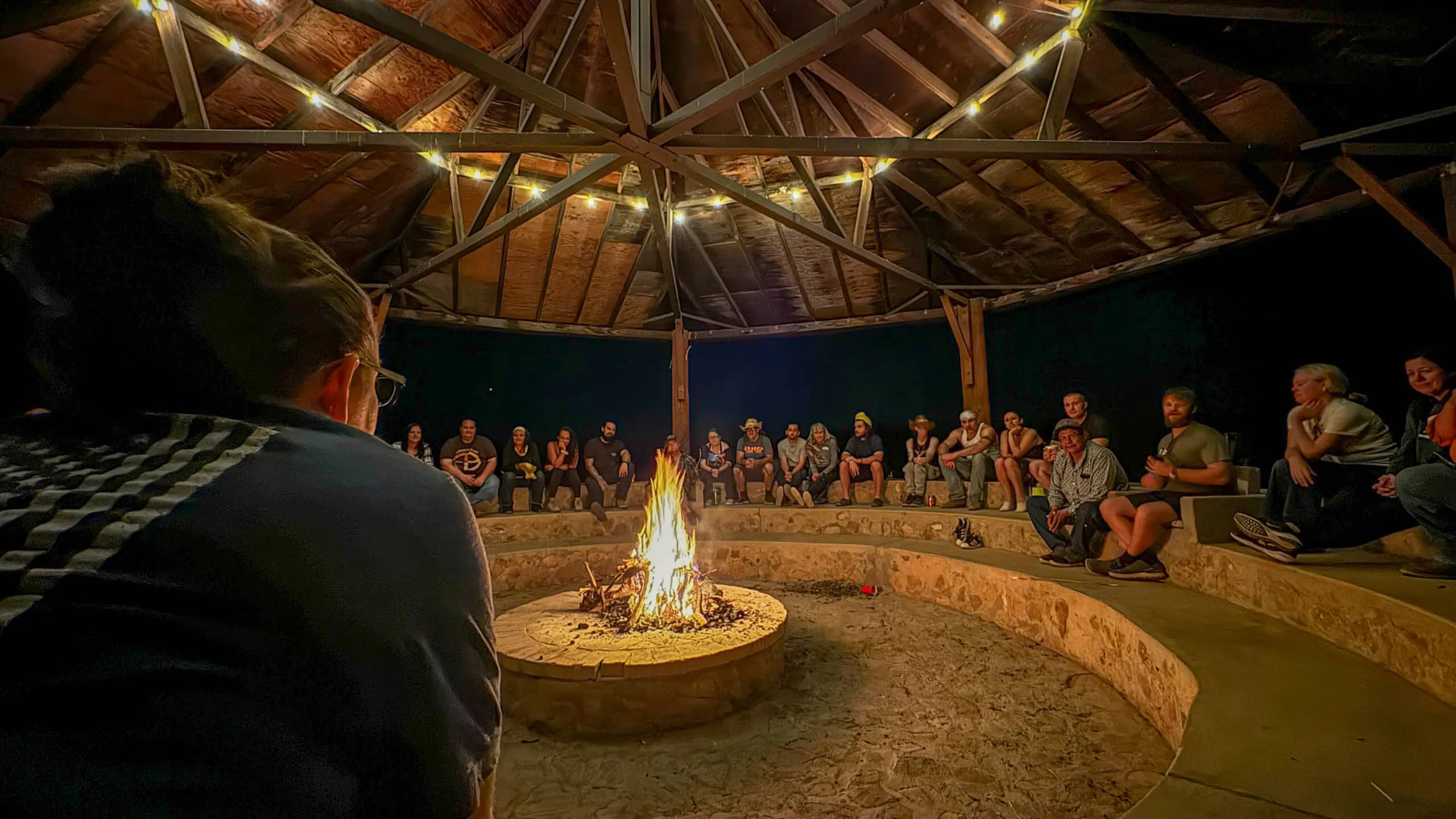
These practices aren’t a menu item. They’re held by trusted carriers with permission and lineage, offered with context, and never required. Clients opt in when and how it feels right.
Ceremony
Aalaawuusua, from Crow ceremonies. A structured purification held by trusted carriers, on the land. Heat, water, prayer, and song — a container old enough that the body knows what to do inside it.
Medicine
Sage, cedar, sweetgrass. A practice of clearing and intention that bookends difficult clinical work and marks transitions through the day.
Voice
One voice at a time, talking stick in hand. No cross-talk, no fixing. A format that teaches listening as a physical skill, not a concept.
Place
Sunrise, fire, sky. Practices that place recovery inside the landscape itself — the Sonoran desert as a teacher, not a backdrop.
The evidence
The practices on offer here are supported by a generation of peer-reviewed research on the nervous system, on trauma, and on what actually reduces relapse. Three of the findings that shape our program:
reduction in relapse risk
Mindfulness-Based Relapse Prevention vs. standard aftercare, 12-month follow-up. Bowen et al., JAMA Psychiatry (2014).
drop in PTSD symptom severity
Trauma-informed yoga for women with chronic, treatment-resistant PTSD. van der Kolk et al., J. Clinical Psychiatry (2014).
greater heart-rate variability
Slow-paced breathing (~6 breaths/min) vs. spontaneous respiration. Lehrer et al., Applied Psychophysiology (2020).
Experiential therapy · off-site
Cochise County is one of the most varied corners of the American Southwest — alpine sky islands, Indigenous history, dark-sky preserves, and a quiet that is genuinely rare. We weave outings into the program so the body has somewhere new to be while the nervous system practices what it’s learning indoors.
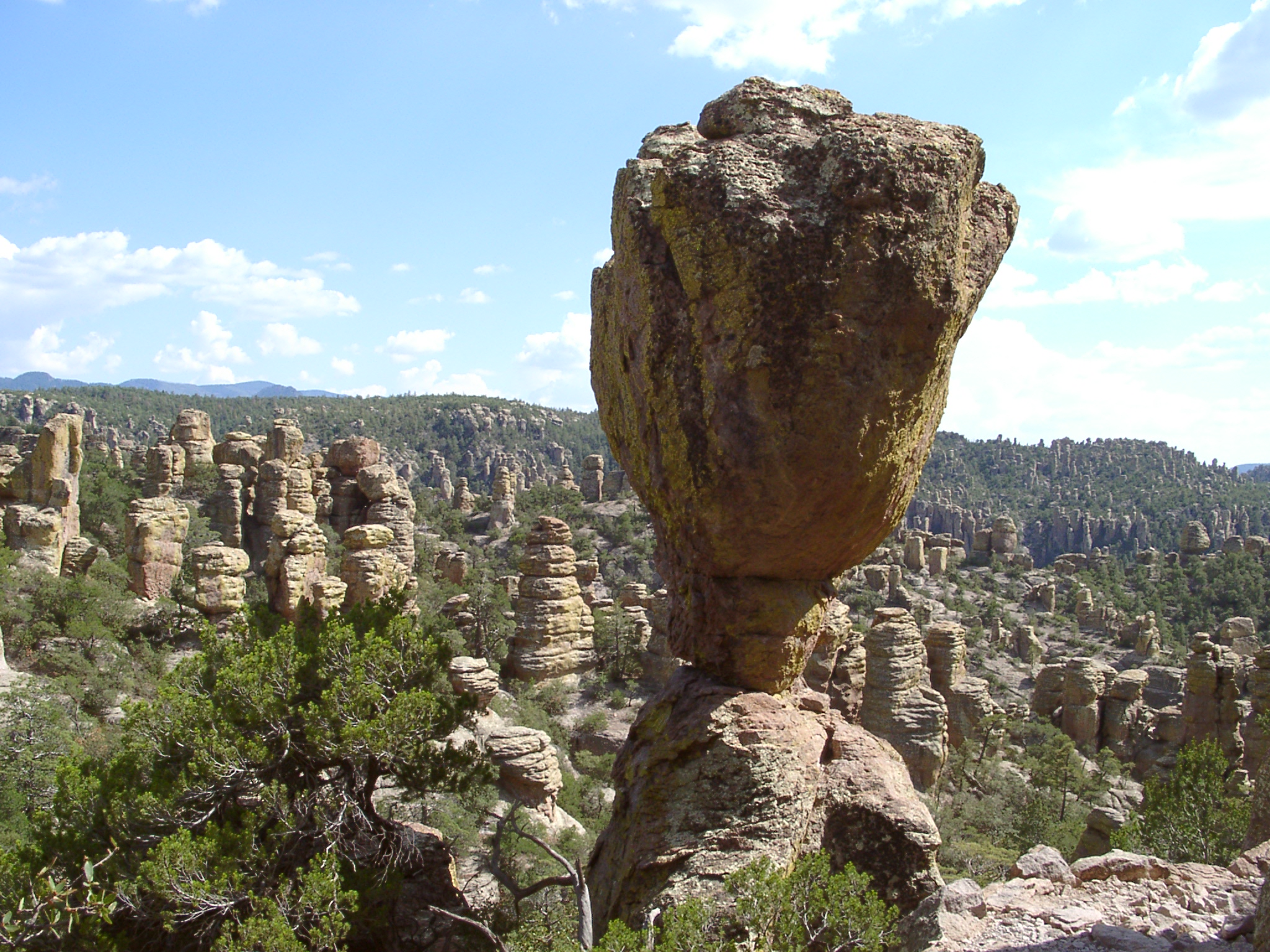
Wonderland of Rocks · Cochise County
Towering rhyolite pinnacles and shaded canyon trails — a full-day hike that pairs movement with awe.
Photo: Pretzelpaws · CC BY-SA 3.0
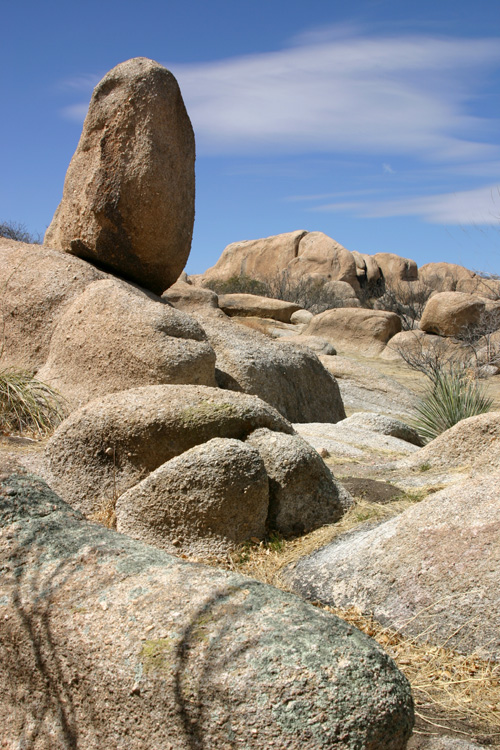
Texas Canyon · Dragoon, AZ
A small, world-class museum of Indigenous art and archaeology with quiet desert trails out the back door.
Photo: Joe Kozlowski · Public domain
Queen Mine · Bisbee, AZ
Underground at the historic Queen Mine — narrow lights, bracing temperatures, and the long shadow of Arizona industry.
Photo: Chad Johnson · CC BY 2.0
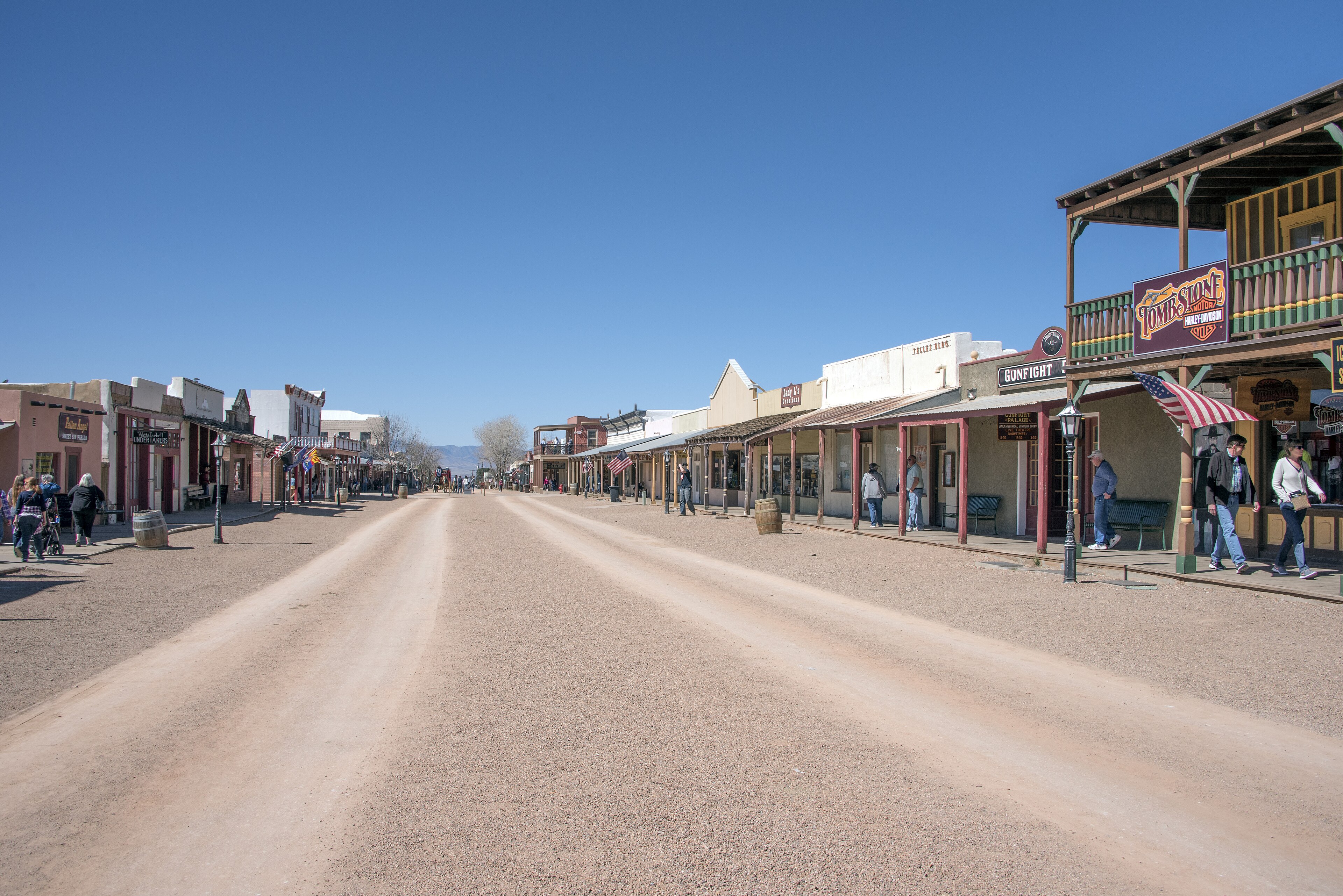
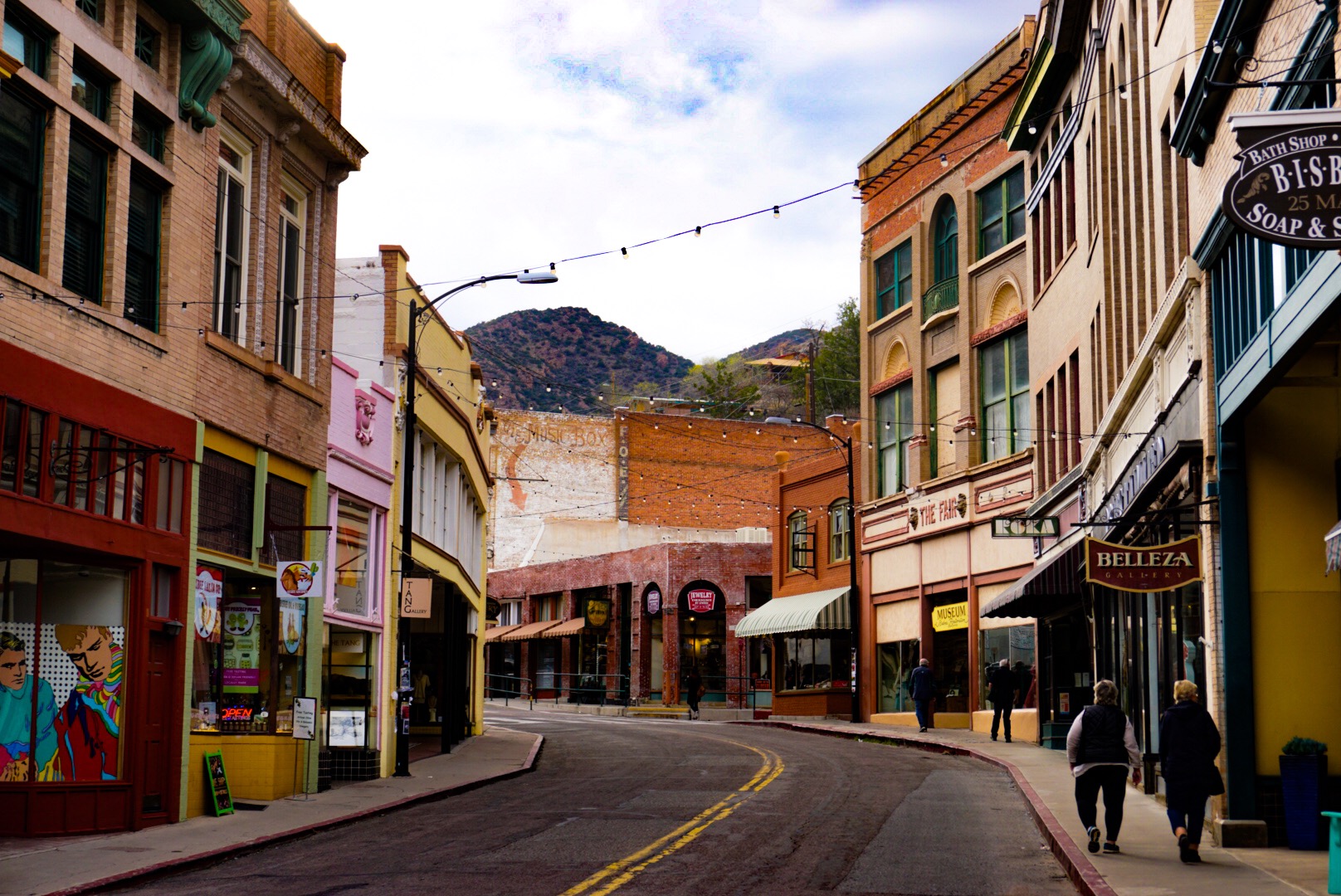
The Town Too Tough to Die · Cochise County
A walking afternoon in the Old West — frontier streets, courthouse, and the boardwalk.
Photo: Gillfoto · CC BY-SA 4.0
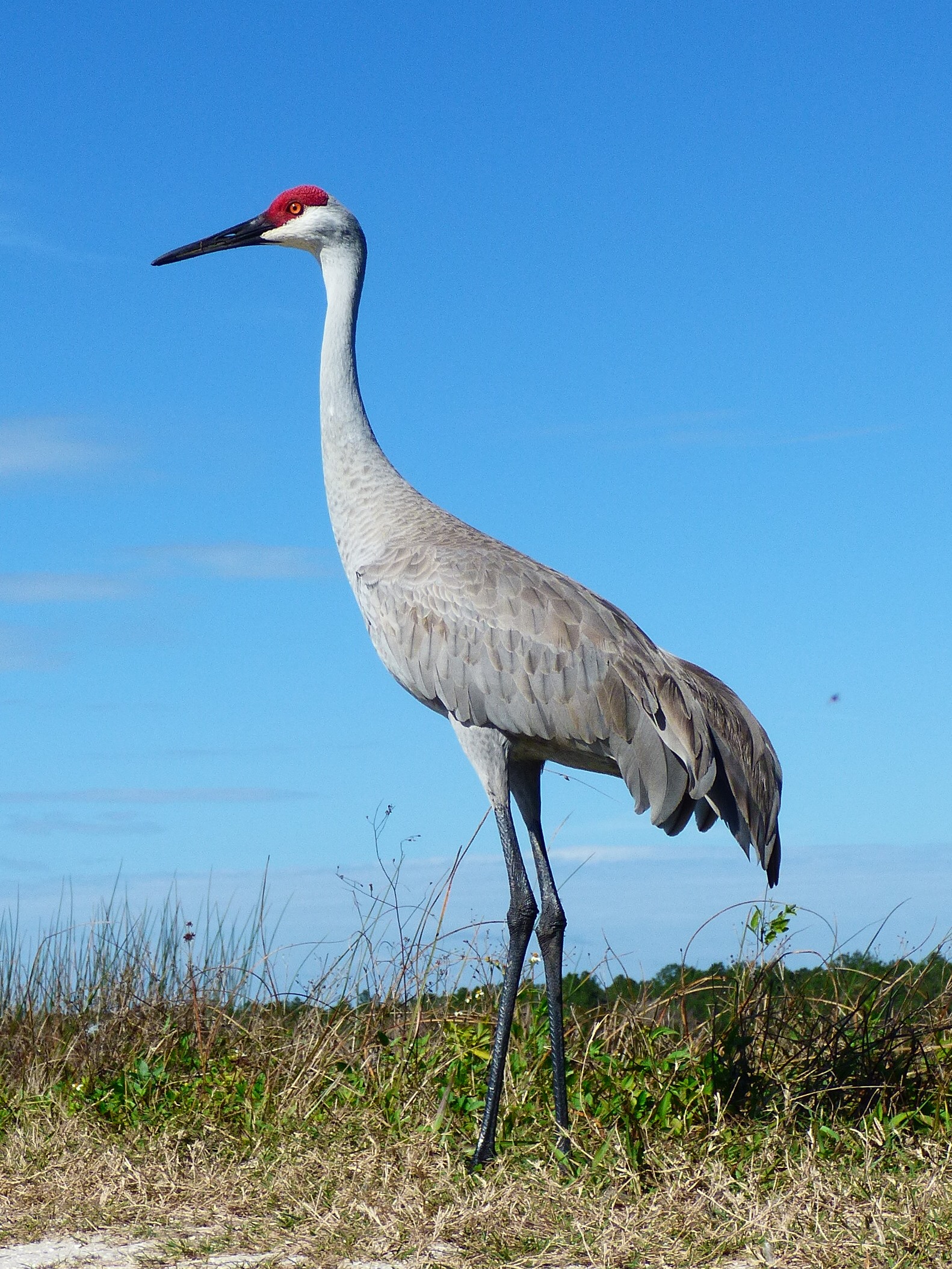
Sulphur Springs Valley · Cochise County
Tens of thousands of cranes wintering in the Sulphur Springs Valley — a quiet pre-dawn outing with a long view.
Photo: JeffreyGammon · CC BY 4.0
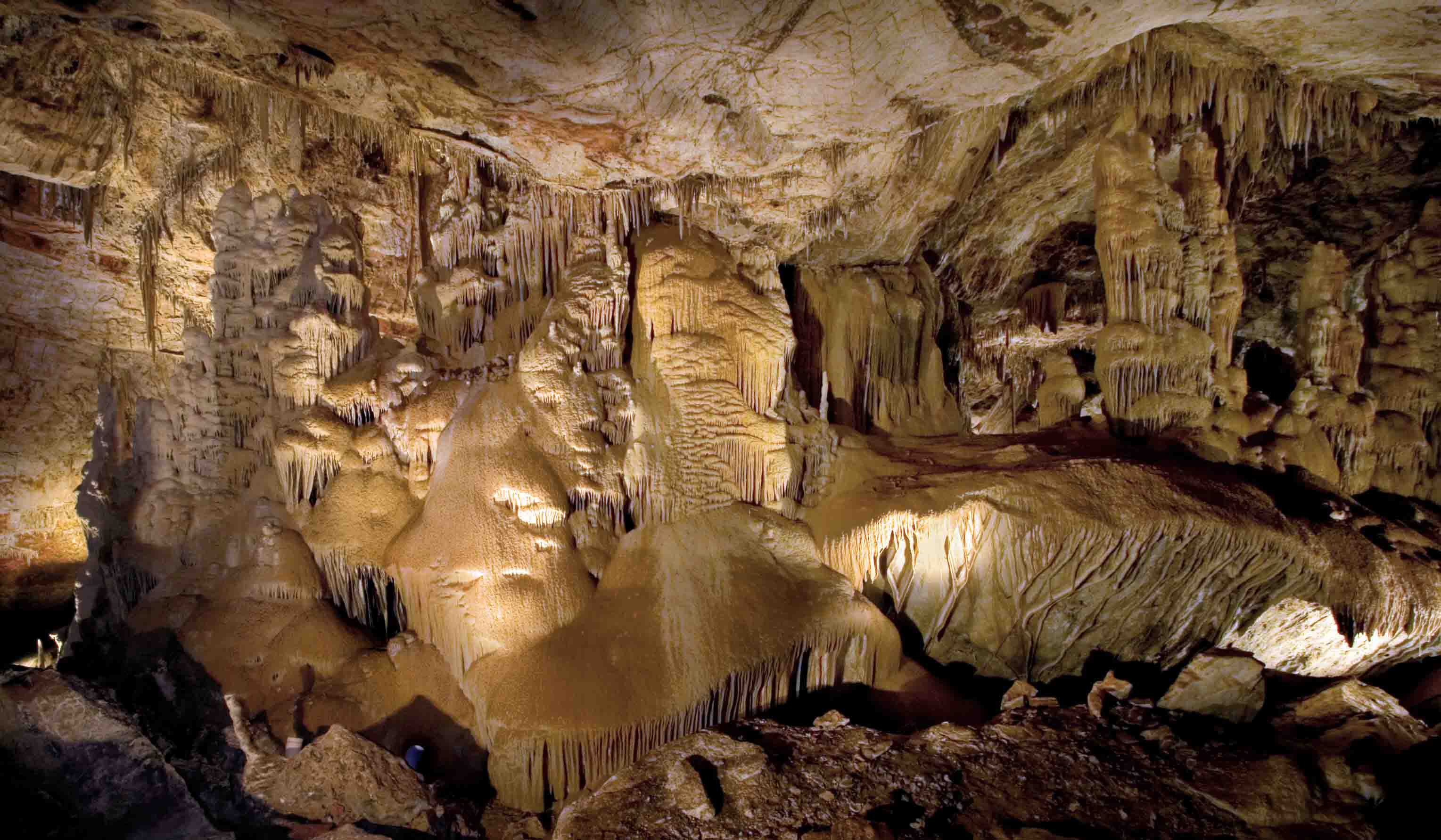
International Dark Sky Park · Benson, AZ
Dark-sky observation in a state park renowned for both its underground formations and its night sky.
Photo: Mike Lewis · CC BY-SA 4.0
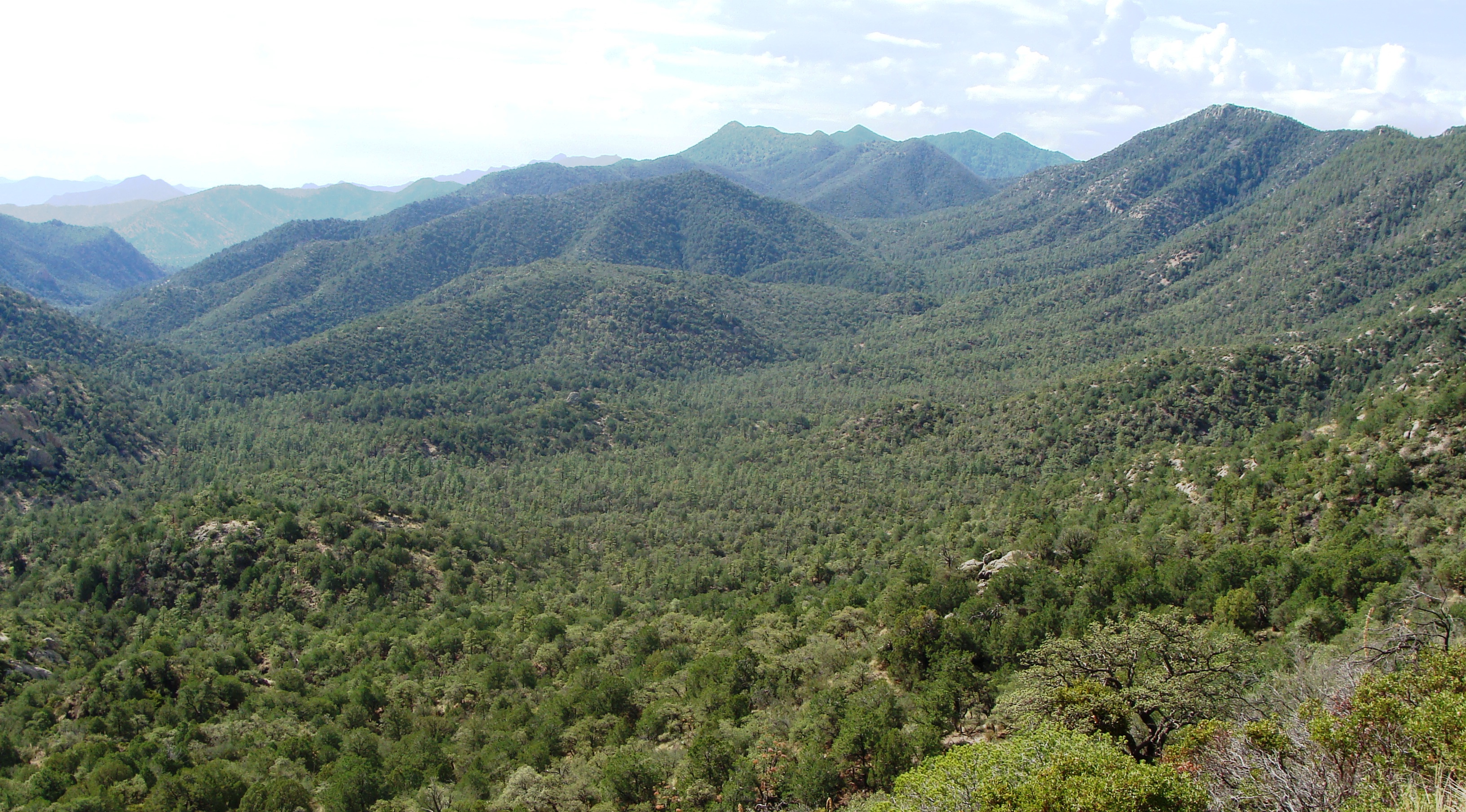
Coronado National Forest · Chiricahua range
Cottonwood-lined canyon hikes east of the Chiricahuas — water year-round, bird-rich, low-traffic.
Photo: Zereshk · CC BY-SA 3.0
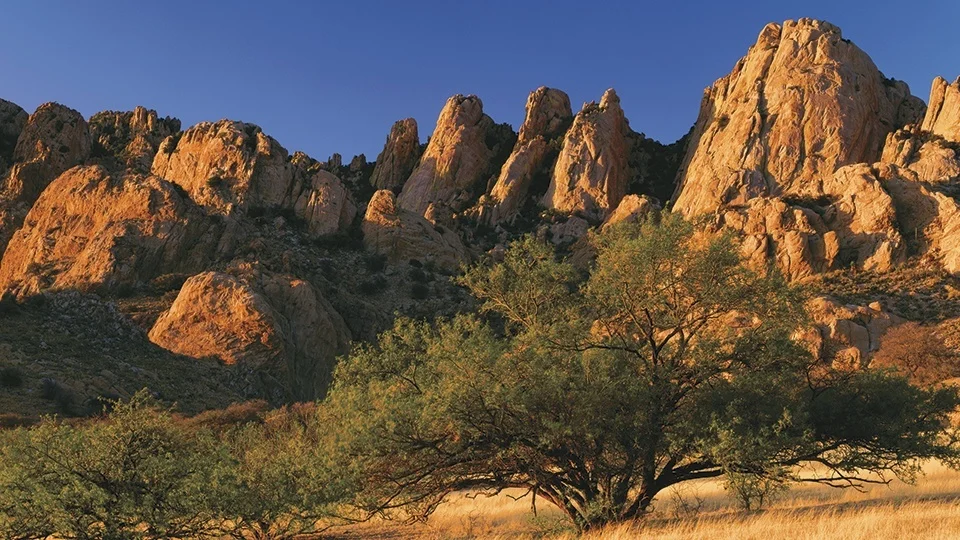
Dragoon Mountains · Coronado NF
Granite domes and the protected canyon Cochise himself called home — day hikes, picnic lunches, and a real history walk.
Photo: Seven Arrows Recovery · All rights reserved
San Pedro Riparian National Conservation Area · Cochise County
A rare desert river running cottonwood-shaded through the valley — slow walks, water sounds, and one of the richest birding corridors in the Southwest.
Outings vary with weather, season, and clinical pacing. Every trip is staffed by trauma-informed clinicians.
A path that holds
Clinical work and body-based practice, modern evidence and ancient ceremony, held together in one program. Our admissions team can walk you through fit and insurance, often within 24 to 48 hours.
We Are Here For You
Get in touch with the caring team at Seven Arrows Recovery today and find out how we can help you have a life-changing experience at our center.
Let us help you
Most major insurance plans cover addiction treatment. Share your details (and snap a photo of your card if you have one) and we’ll verify your benefits and call you back — typically within 15 minutes.
Prefer to talk first? Call (866) 718-1665